
Small Drip, Big Drama: How to Spot Hidden Water Damage
| Read time: 1 min
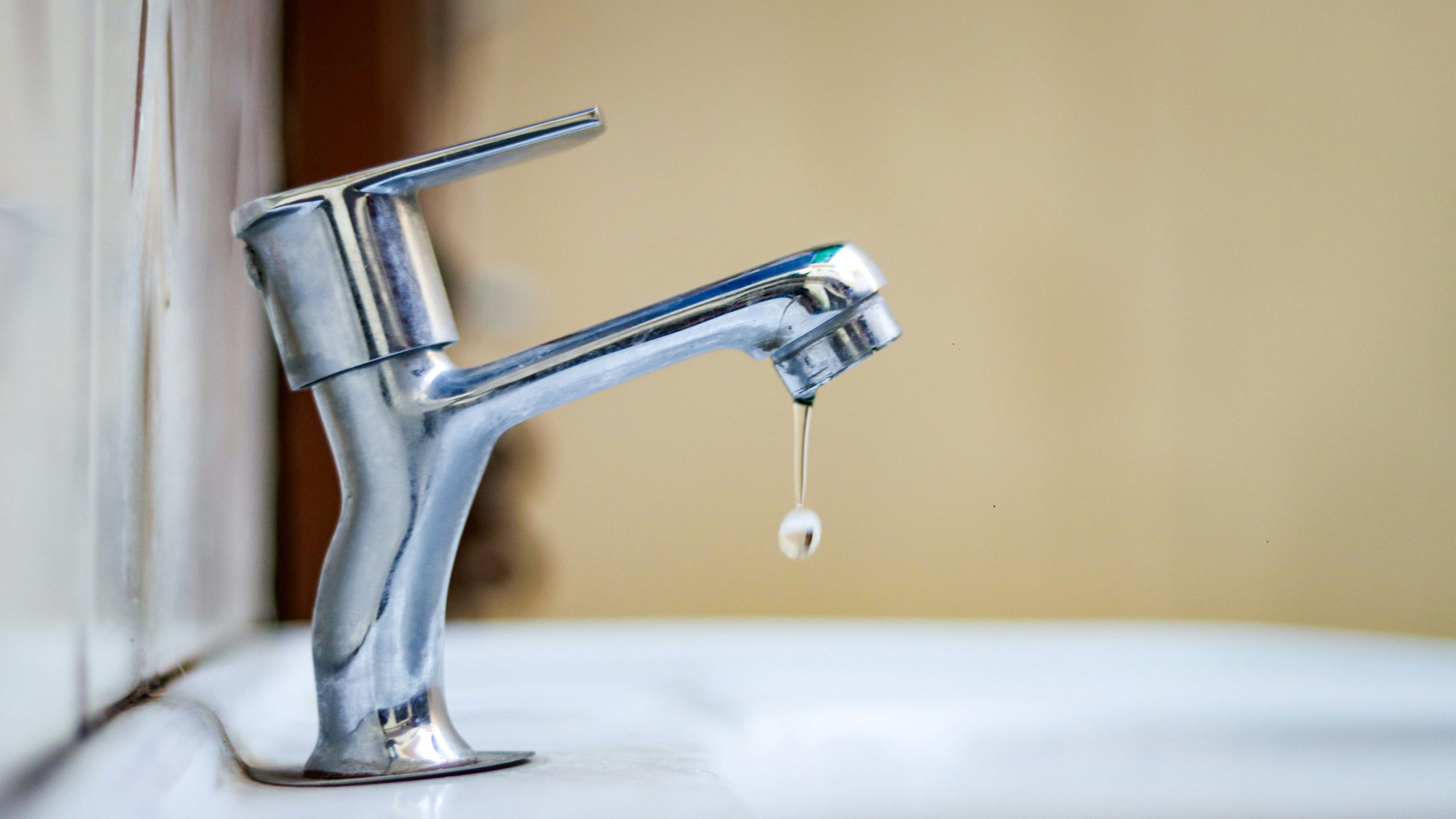
Water damage doesn’t always start with a flood; it starts with a secret. By the time you see a puddle, the damage—mold, rot, and structural decay—is already winning. To save your home, you need to be a “leak detective.”
- Follow the Visual Clues
Water trapped behind drywall is a master of disguise, but it eventually leaves a trail. Keep an eye out for:
- Bubbling or Peeling: If your paint is blistering or wallpaper is lifting, water is pushing from the inside out.
- The “Coffee” Stain: New yellow or brown rings on the ceiling are the smoking gun of an upstairs leak.
- Dark Corners: Periodically scan the “dead zones” under sinks and around the water heater. If it looks damp, it’s a problem.
- Listen to the Walls
Your house talks—you just have to listen. If you hear the faint sound of running water or a rhythmic tick-tick-tick behind the walls when the faucets are off, you have a rogue leak. Don’t wait for the wall to get soft; that sound is the clock ticking on a major repair.
- Trust Your Nose
That “old basement” smell? That’s not just a quirk of the building; it’s likely mold. A persistent musty or earthy odor is often the only warning sign you’ll get for moisture trapped under floorboards or inside wall cavities.
The Golden Rule: Don’t Wait
A soft baseboard today is a collapsed floor tomorrow. If you see, hear, or smell anything suspicious, report it to your property manager immediately. Acting fast turns a massive headache into a simple fix.