
Indoor Air Comfort
| Read time: 1 min
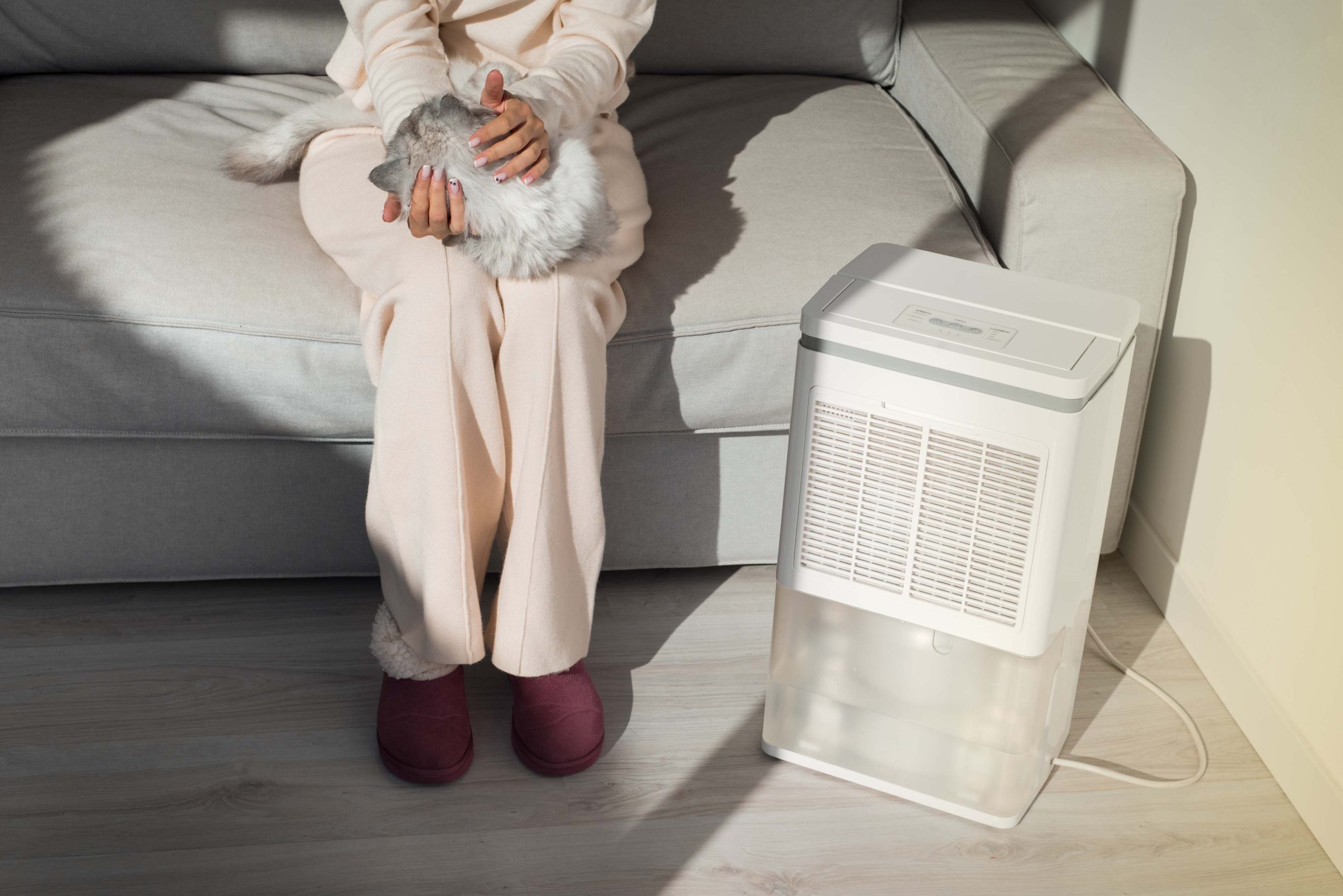
Winter heating systems often dry out indoor air, which can affect comfort, sleep quality, and respiratory health. Managing humidity and air circulation helps create a healthier living space during colder months.
Using a humidifier
A humidifier is one of the most effective tools for winter comfort. Maintaining indoor humidity between 30 and 50 percent can reduce dry skin, nose irritation, and static electricity. Heavy condensation on windows may indicate that humidity levels are too high and should be reduced to avoid moisture damage.
Adding houseplants
Houseplants can support indoor air quality. Plants such as snake plants, pothos, and spider plants are low maintenance and help filter airborne particles. Keeping plants in living areas rather than bedrooms can help balance moisture throughout the unit.
Maintaining ventilation
Ventilation remains important even in winter. Briefly opening a window for a few minutes allows fresh air to circulate and helps reduce indoor pollutants from cooking, cleaning products, and everyday activities. Bathroom and kitchen exhaust fans should be used regularly to manage moisture and odors.
Managing humidity, using ventilation properly, and keeping air moving can improve comfort and help prevent issues like condensation and mold. If air quality concerns persist, reporting them early allows for timely support and solutions.